-
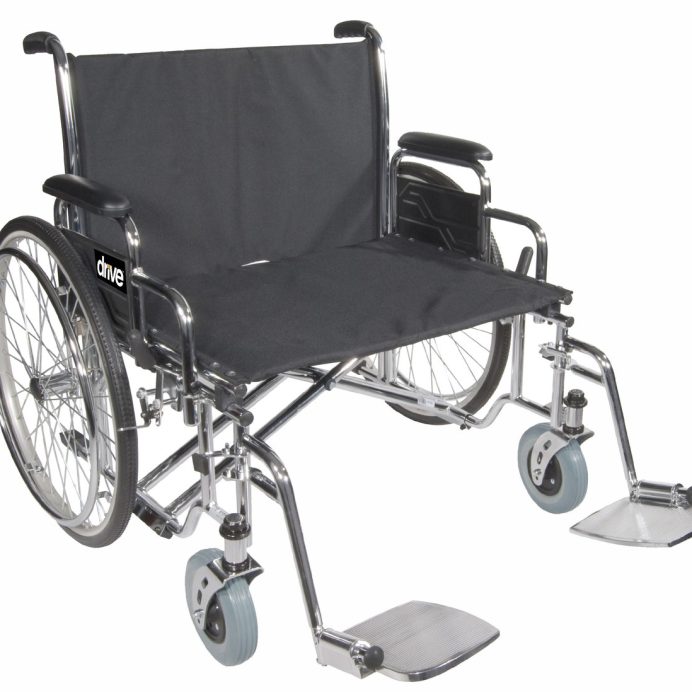
Drive Sentra EC Heavy Duty Extra Wide Wheelchair
Call to Order -
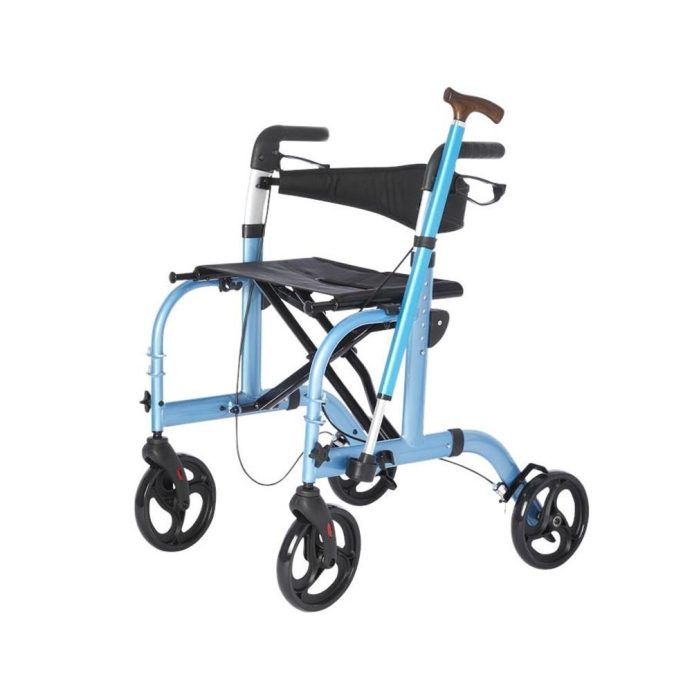
Rhythm Healthcare Translator Rollator and Transport Chair 2 in 1
Call to Order -
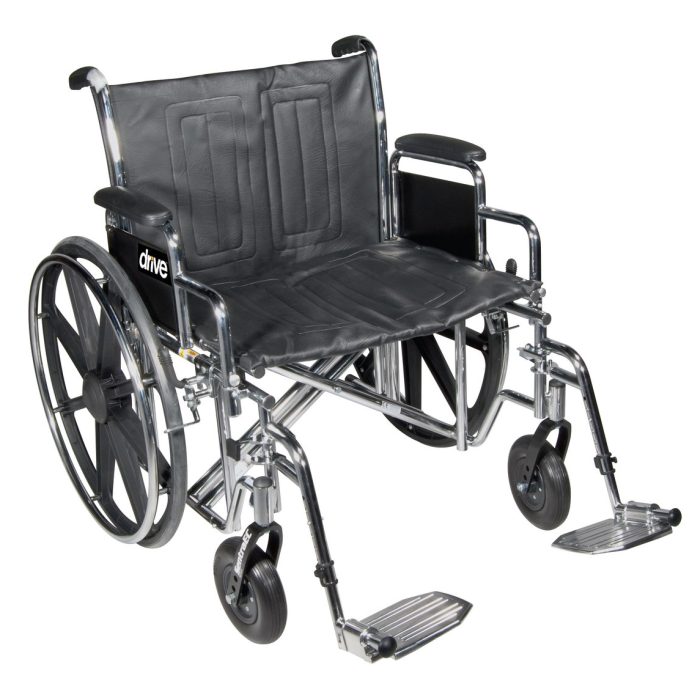
Drive Sentra EC Heavy Duty Wheelchair
Call to Order -
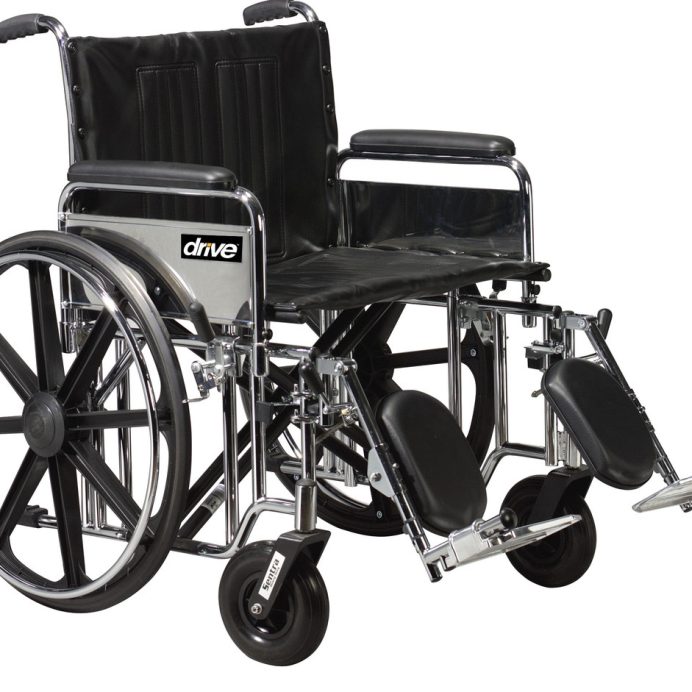
Drive Sentra Extra Heavy Duty Wheelchair
Call to Order -
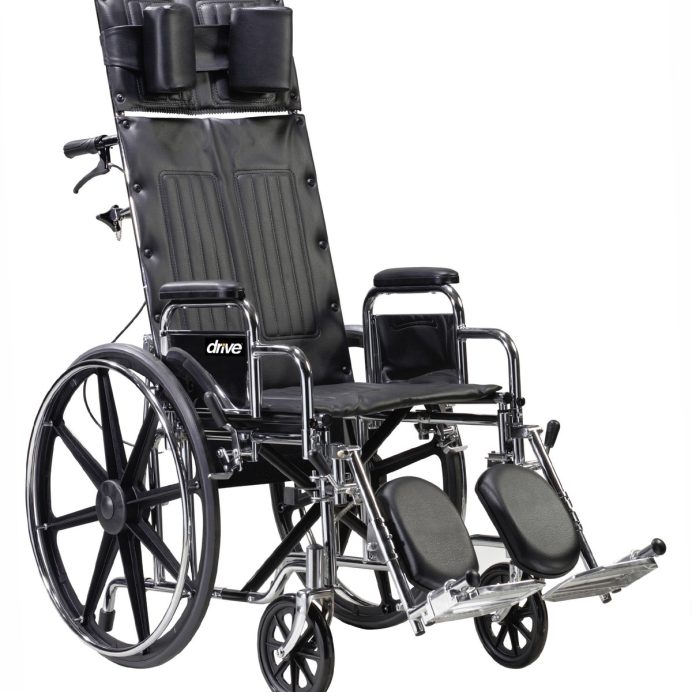
Drive Sentra Reclining Wheelchair
Call to Order -
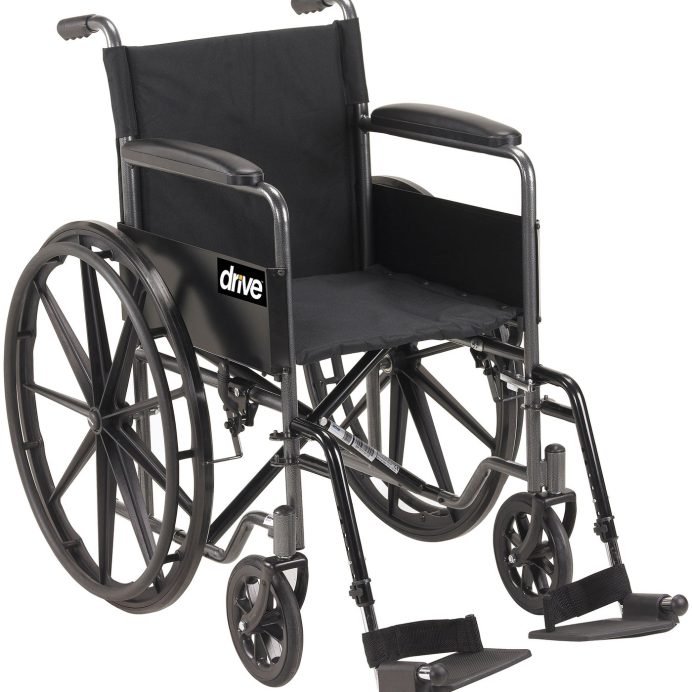
Drive Silver Sport 1 Wheelchair
Call to Order -
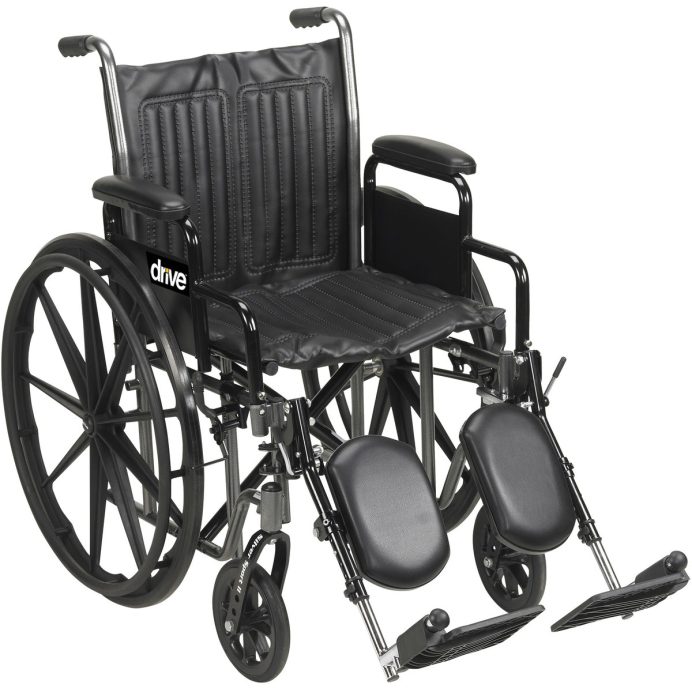
Drive Silver Sport 2 Wheelchair
Call to Order -
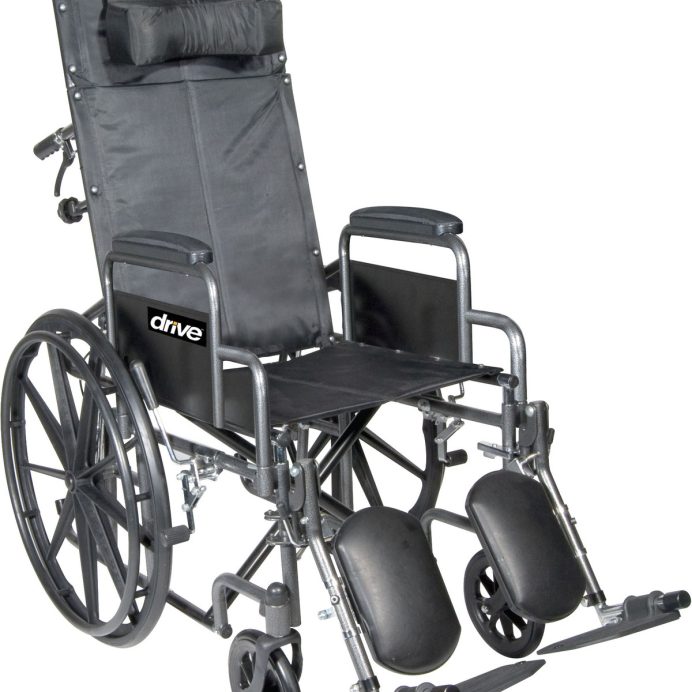
Drive Silver Sport Reclining Wheelchair with Detachable Desk Length Arms and Elevating Leg rest
Call to Order -
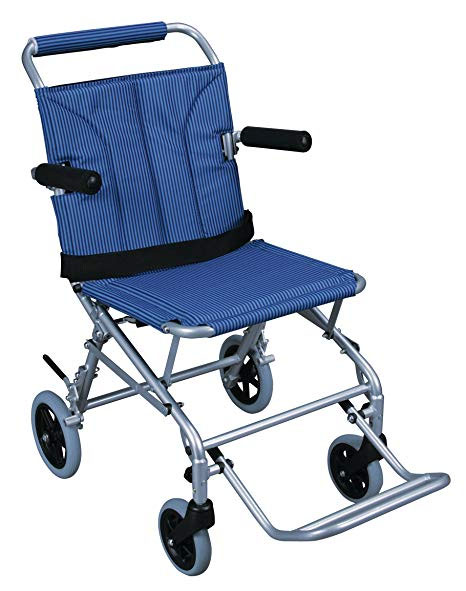
Drive Super Light Folding Transport Wheelchair with Carry Bag
Call to Order -
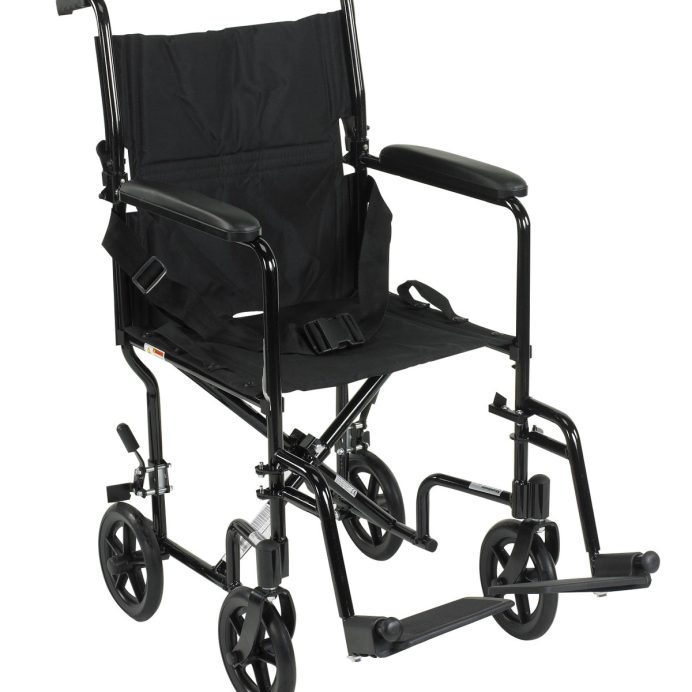
Drive TranSport Aluminum Transport Wheelchair
Call to Order -
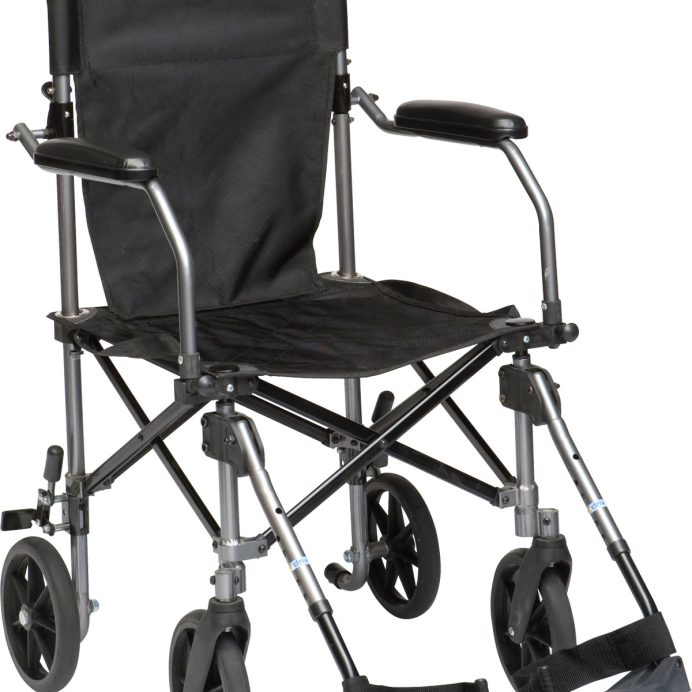
Drive Travelite Transport Chair
Call to Order -
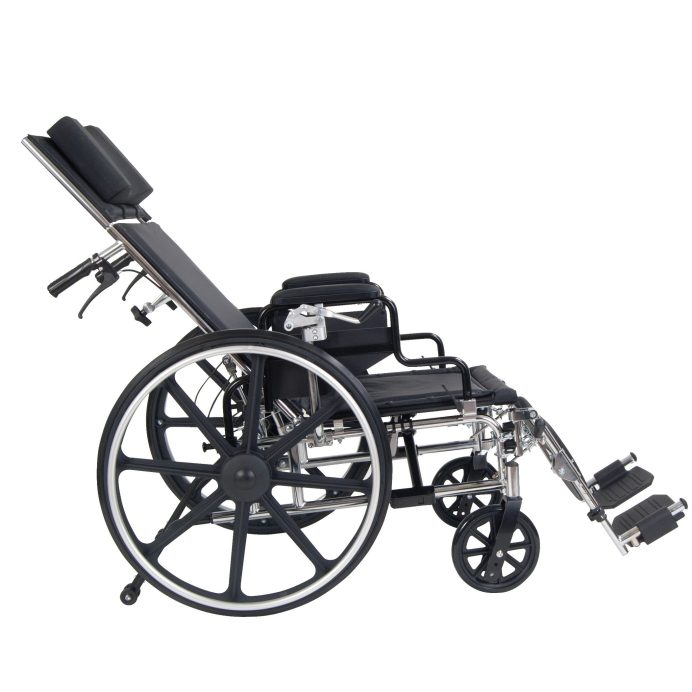
Drive Viper Plus GT Full Reclining Wheelchair
Call to Order -
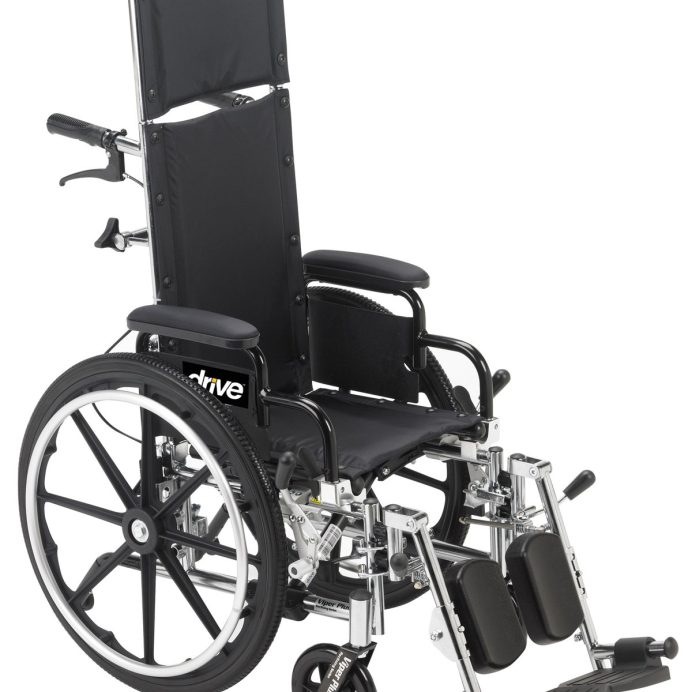
Drive Viper Plus Reclining Wheelchair (Adult)
Call to Order -
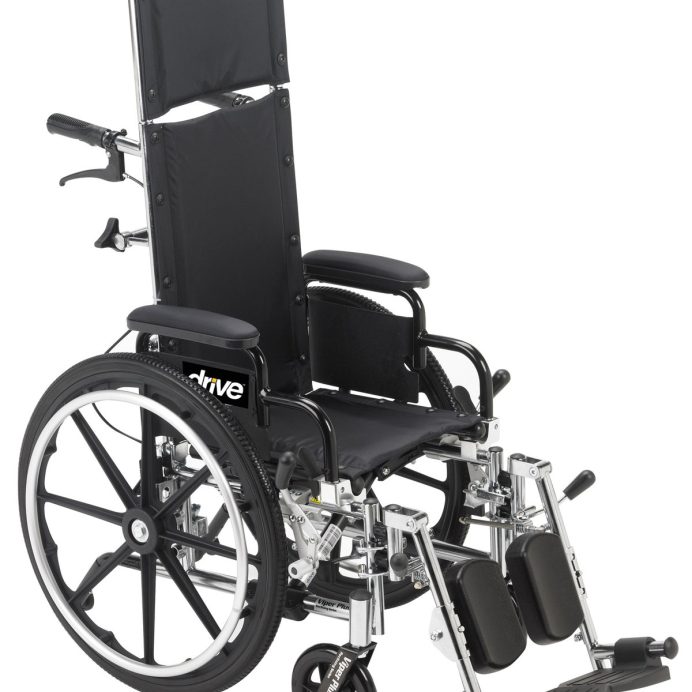
Drive Viper Plus Reclining Wheelchair (Pediatric)
Call to Order -
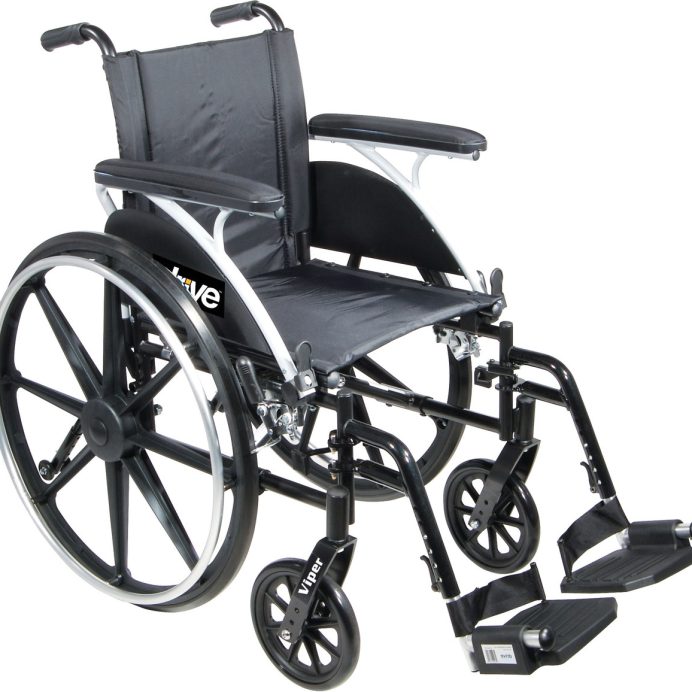
Drive Viper Wheelchair with Flip Back Removable Arms
Call to Order -
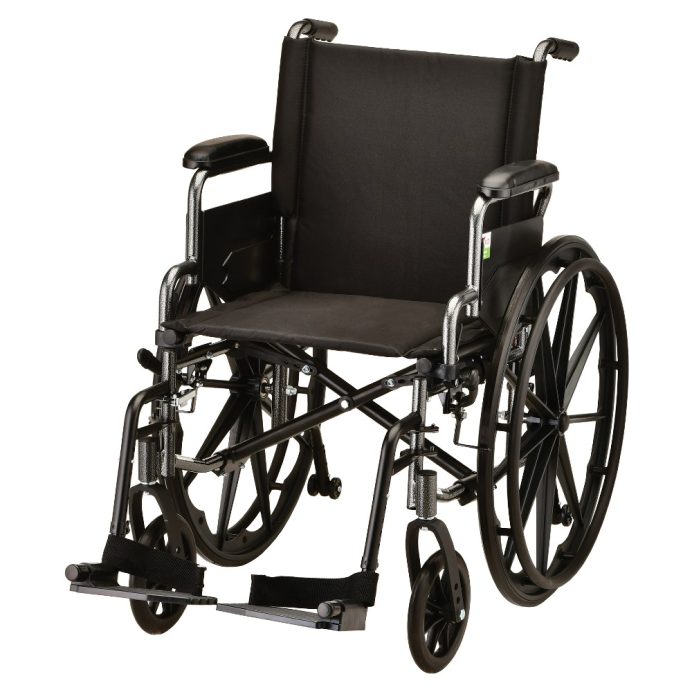
Hammertone Wheelchair – 16 Inch Lightweight w/ Flip Back Detachable Arms & Swing Away Footrest
Call to Order -
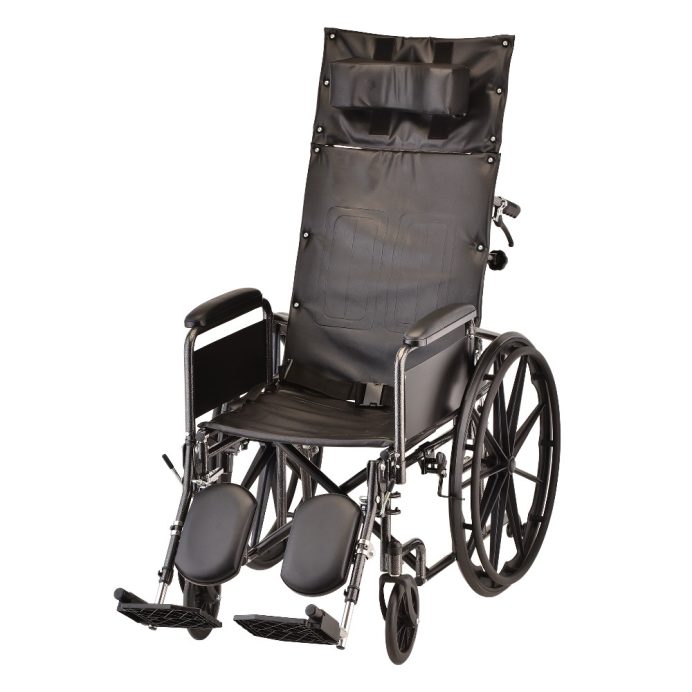
Recliner Wheelchair – 16 Inch With Full Arms & Elevating Leg Rest
Call to Order -
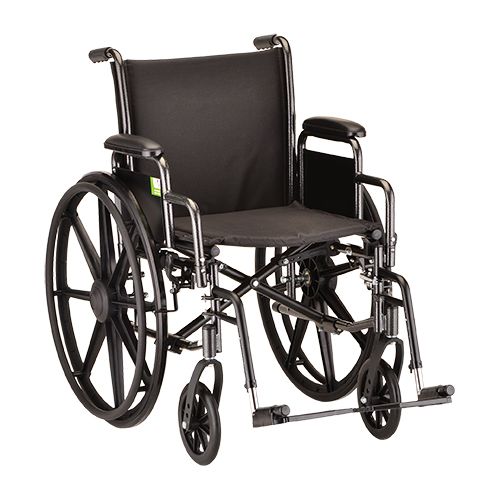
Nova 16″ Steel Wheelchair
Call to Order -
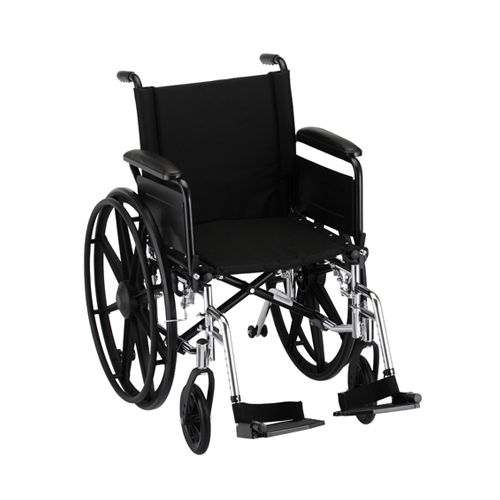
Nova 18″ Lightweight Wheelchair
Call to Order -
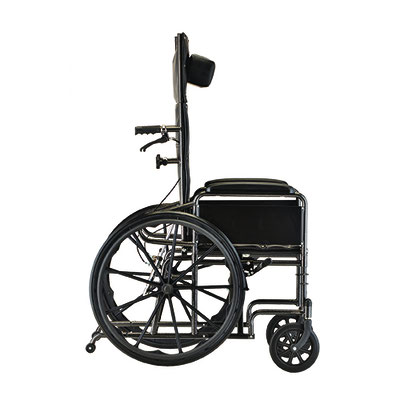
Nova 18″ Reclining Wheelchair
Call to Order -
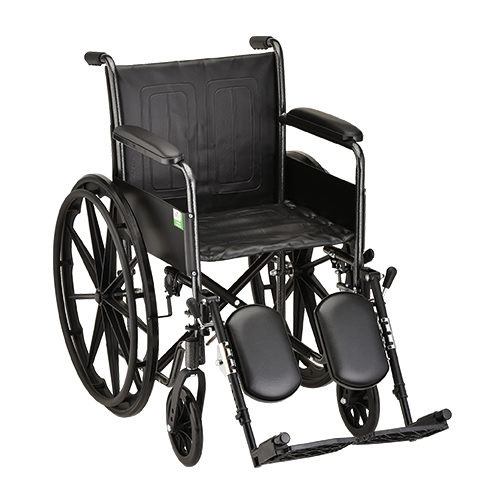
Nova 18″ Steel Wheelchair
Call to Order -
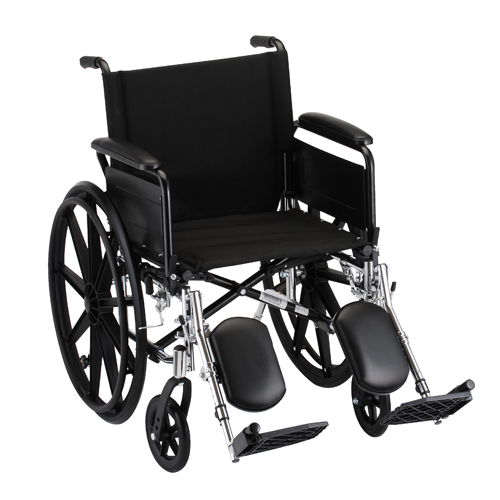
Nova 20″ Lightweight Wheelchair
Call to Order -
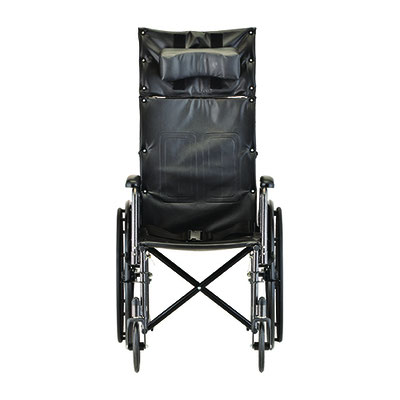
Nova 20″ Reclining Wheelchair
Call to Order -
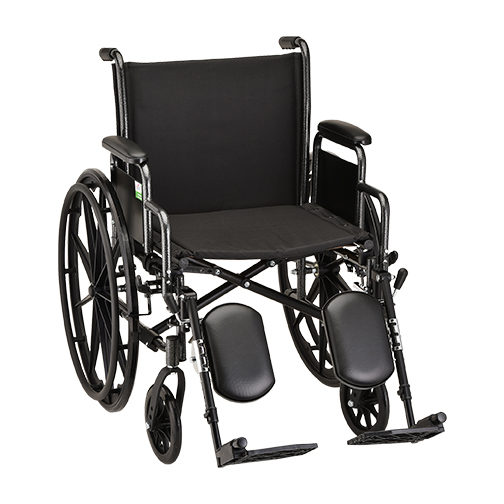
Nova 20″ Steel Wheelchair
Call to Order
Showing 25–48 of 66 manual wheelchairs — there are more on the next page.