Financing available4.8 on Google (opens in new tab)Local service & repair

Manual Wheelchairs.

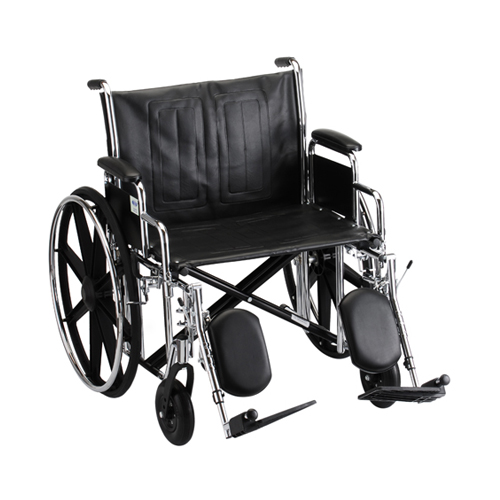
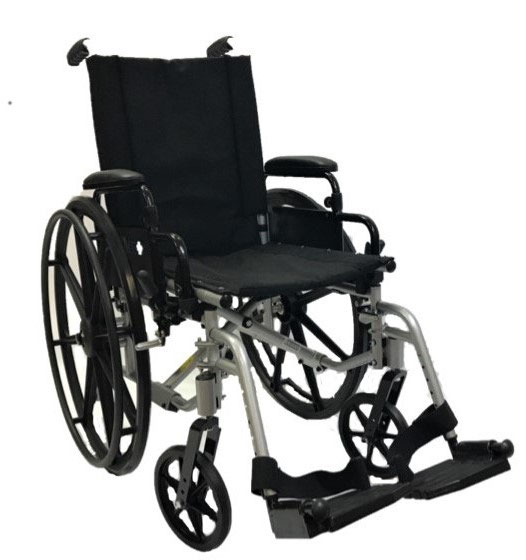
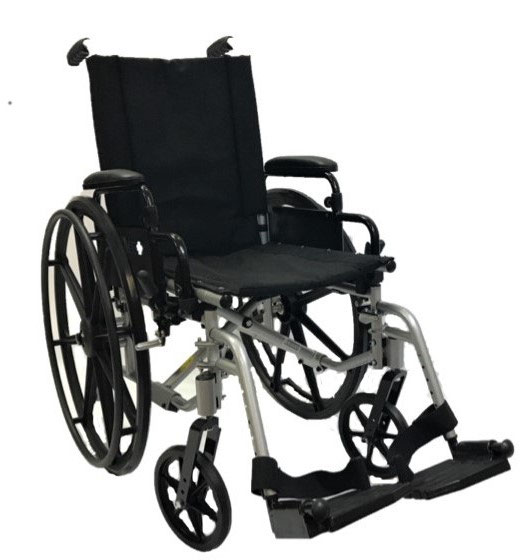
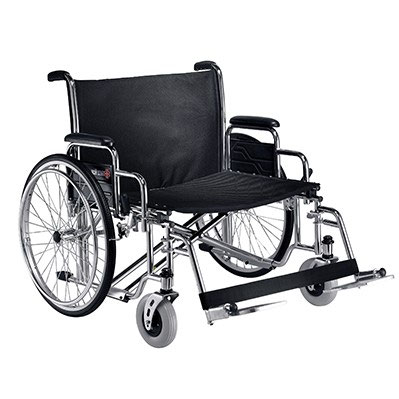
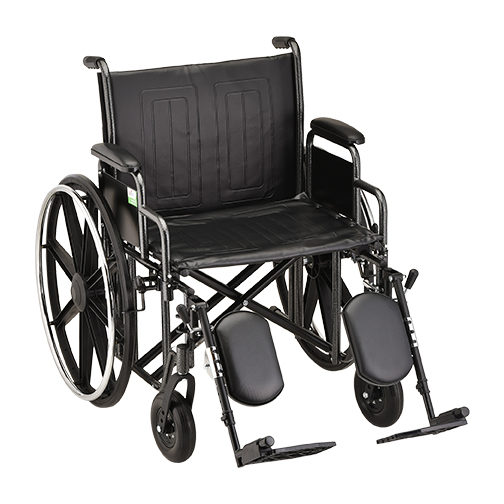
Transport, standard, bariatric, and tilt-in-space manual wheelchairs for everyday use and specialised positioning needs. Ready to take home today from our Lakeland showroom, minutes from Auburndale and Bartow.

Call (863) 816-1513

Filter Results
Brand All Brands
Condition All Conditions
Weight Capacity Any Capacity

Showing 49–66 of 66 manual wheelchairs.

How to Choose Manual Wheelchairs

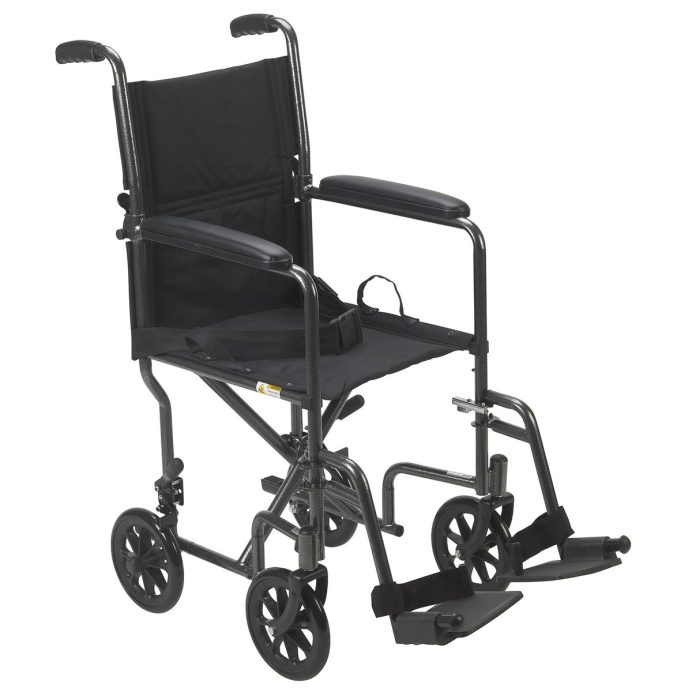
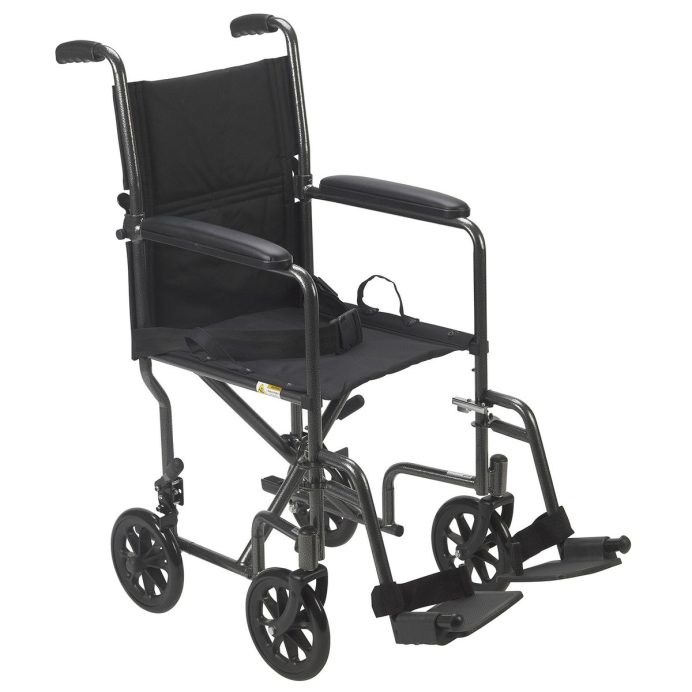
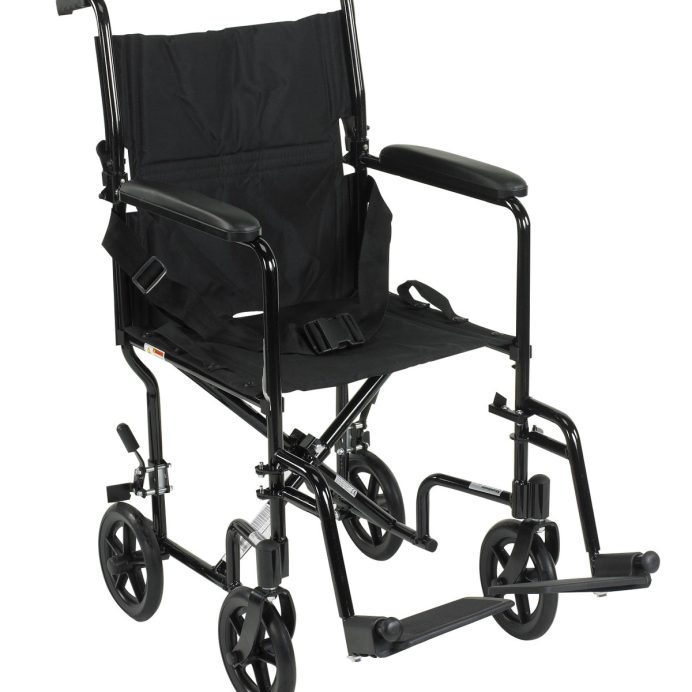
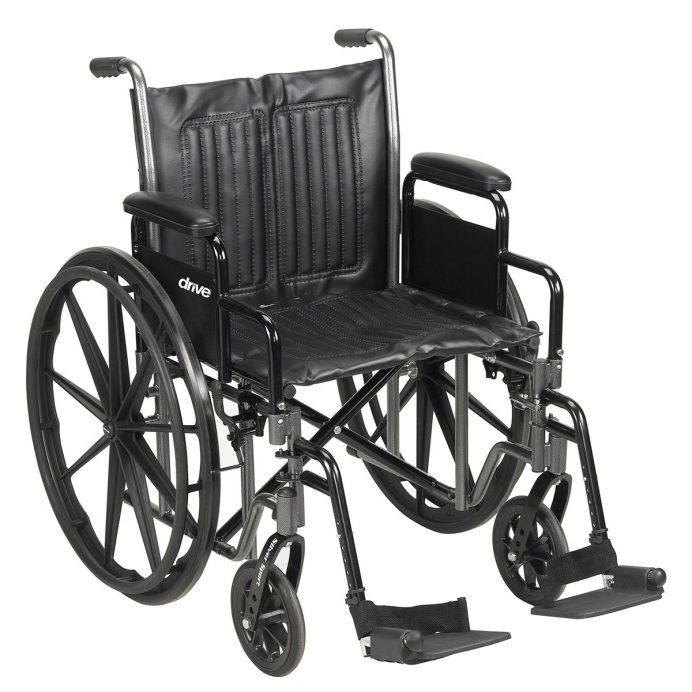
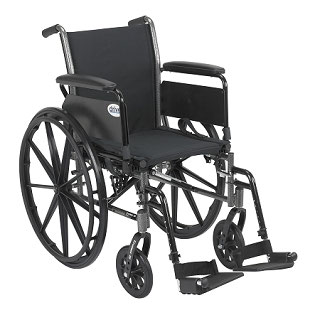
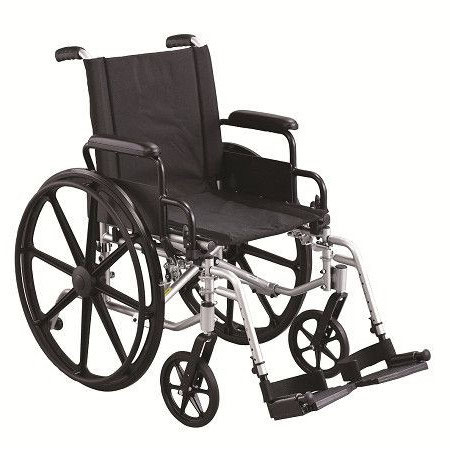
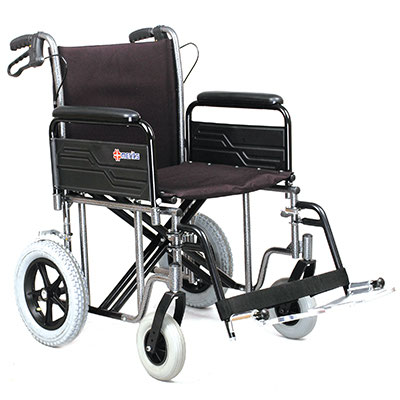
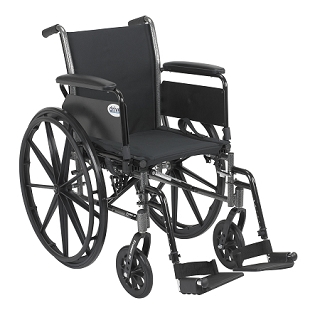
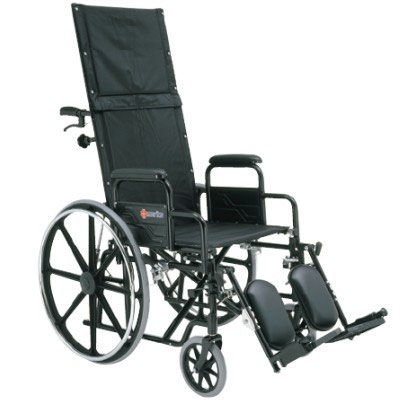
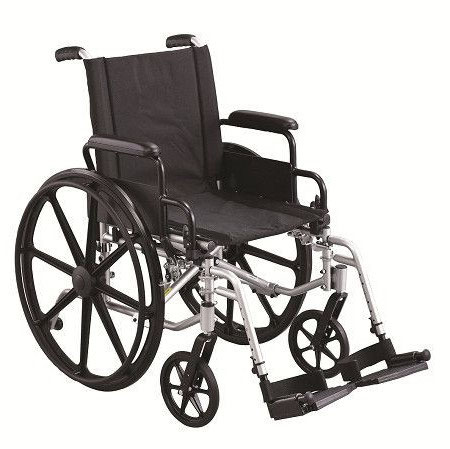
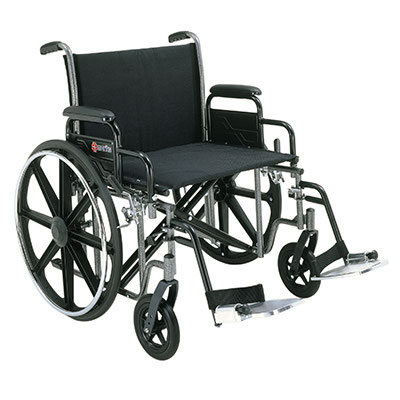
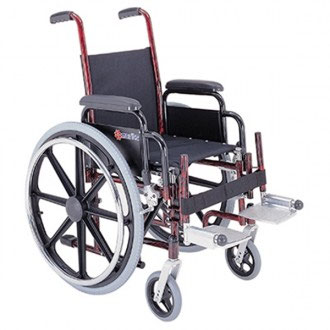
Transport chairs are lightweight and meant to be pushed by a caregiver — they're not built for the user to self-propel. Standard and lightweight/sport manual wheelchairs have larger rear wheels for self-propulsion and are more durable for daily use. Bariatric models offer a wider seat and higher weight capacity. Think about who'll be doing the pushing (or propelling) day to day before you choose.

Common Questions

What's the difference between a transport chair and a standard wheelchair?

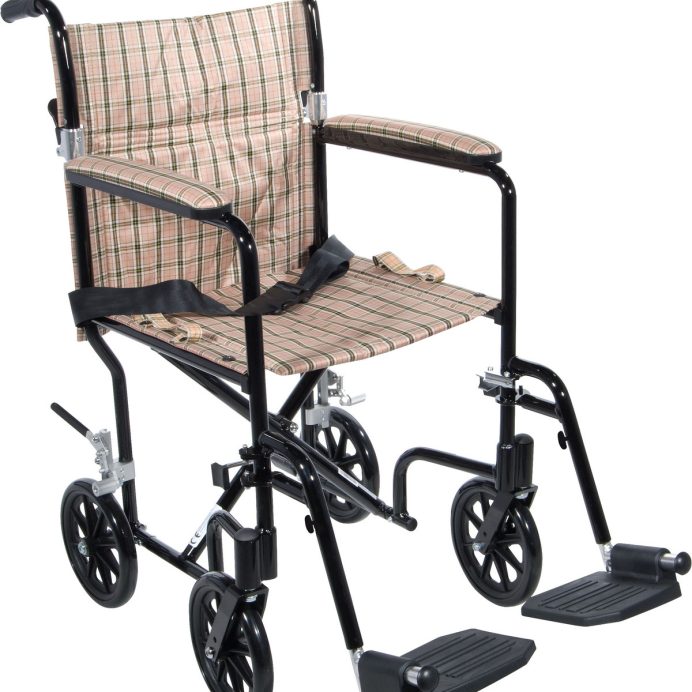
A transport chair has small wheels all around and is meant to be pushed by someone else — it's lighter and folds smaller, but the user can't self-propel it. A standard manual wheelchair has large rear wheels with handrims so the user can propel themselves.

How do I measure for the right seat width?

Measure the widest part of the hips or thighs while seated, then add about 1-2 inches for clearance. A seat that's too narrow is uncomfortable and can cause pressure issues; too wide makes it harder to self-propel and fit through doorways.

Can someone self-propel, or do they need someone pushing them?

That depends on upper-body strength and the chair type — standard and lightweight wheelchairs are built for self-propulsion with large rear wheels and handrims, while transport chairs assume a caregiver will push. Talk to us or a physical therapist if you're not sure which fits the situation.